
On Faulty Generalizations
and why they're improper

I think possibly one of the most dominant logical fallacies in American society today is the faulty generalization (also known as hasty generalization). This occurs when someone takes a small sample size of a certain population or group and then claims that all members of that group share a particular trait observed in the small sample. We especially see this in the political sphere, most recently in the pronouncements of the current President of the United States that all people of a certain nationality are “trash” or “garbage” based on the fraudulent actions of a subset of immigrants from that country. We also see this fallacy in play in broad-brush characterizations of conservative Christians as seeking a theocracy, all white people as harboring racist thoughts, and so forth.
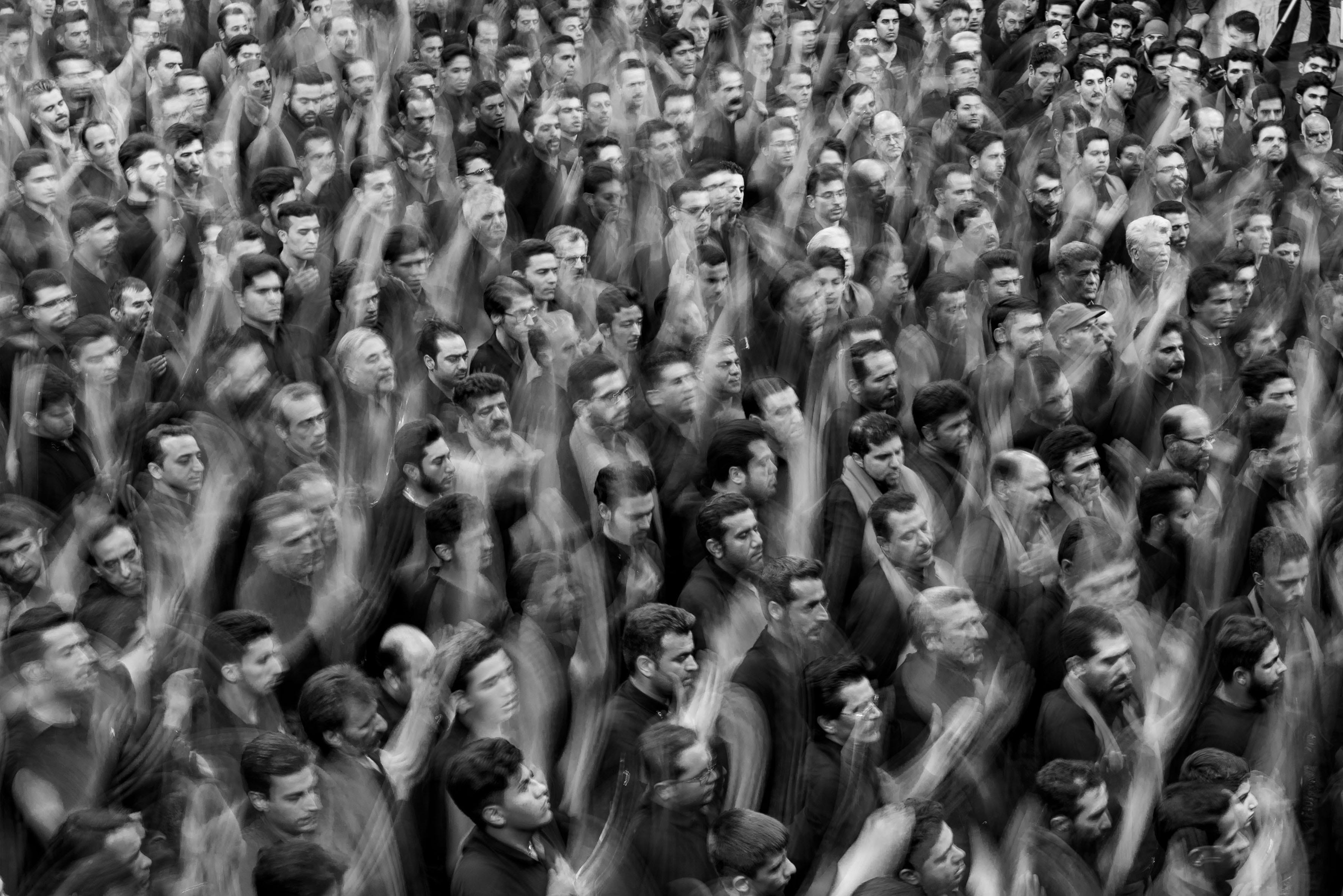
We can all tend at times to lump everyone in a particular group together with the worst examples of that group, whether that is racially, economically, religiously, or politically. It allows us to not spend the emotional and mental energy necessary to actually know individuals as individuals. We can just ask a couple of simple questions to associate a person with a particular camp/tribe/team, label them as undesirable, deplorable, or irredeemable, and get on with our lives.
I frequently see fellow conservatives—often trying to deflect when confronted with ethical and moral problems within the GOP, especially at the top—talk about how “Democrats” are for men in women’s sports, abortion up until the moment of birth, gender transition surgery for minors without parents’ consent (or grooming minors to believe they were born the wrong sex), and other things that are clearly morally reprehensible.
But is that a fair description of all—or even most—voters who identify themselves as Democrats or typically vote for the Democrat candidate? (For the record, I have consistently voted Republican during my adult voting life, so I’m not acting as an apologist for the Democrat party—see here for more on that.)
Dr. George Yancey, a sociologist at Baylor University and a conservative Christian, points out that many of the more extreme positions associated with the current iteration of the party of Kennedy and Clinton are not really held by the rank-and-file people who tend to vote Democrat, but by the much smaller educated “elite” who control the party’s public face.
If you don’t like it when others label you based on the worst examples of people on your side of the political aisle, then maybe it’s not a good idea to broad-brush the other party so quickly. Instead, take the time to get to know people as individuals. You may find you have more in common than you have actual differences.
So in everything, do to others what you would have them do to you, for this sums up the Law and the Prophets. (Matthew 7:12,NIV)
It’s almost as if one group has made a characterization of another group in order to keep their people loyal.
While I believe that most Democrats don’t endorse that list of characterizations, I believe the Democratic Party has been terrible at messaging and many of the people they have promoted to subscribe to those tenants.
In short, the Democratic Party has made it super easy to generalize Democrats.